Projects
Get involved
Explore various projects that align with your passions!
What does it mean to be safe?
Hover to discover
What does it mean to be safe?
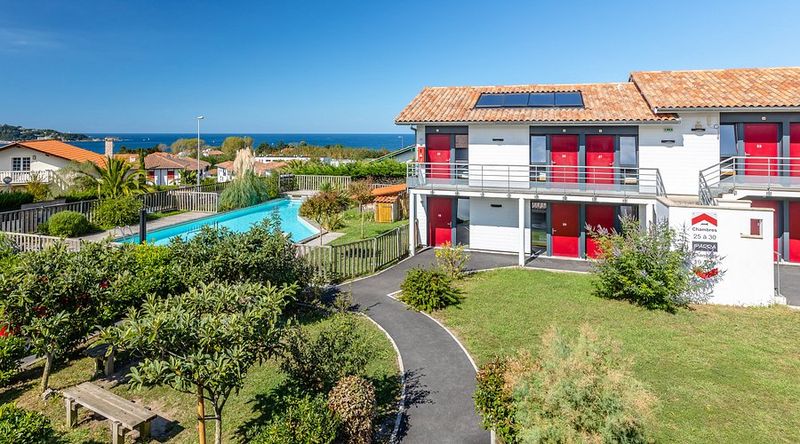
Are you a youth worker, educator, facilitator, or community practitioner based in Denmark who wants to deepen your understanding of safety, trust, and restorative practices? This is your opportunity to join an immersive international training course in the beautiful coastal town of Hendaye, France.
We are looking for participants residing in Denmark to take part in this unique Erasmus+ learning experience focused on creating safer and more compassionate spaces for learning, growth, and community building.
"What Does It Mean to Be Safe?" is an experiential training course exploring safety as a living, relational, and collective practice. Together, participants will investigate what it means to feel safe, how we can become safer for others, and how we can facilitate environments where learning, healing, accountability, and meaningful connection can flourish.
Rather than offering fixed answers, the training will function as a laboratory of collective exploration. Participants will co-create the learning process, engage in practical experiences, and reflect on their own practices, boundaries, responsibilities, and facilitation approaches.
Project Information
Location: Hendaye, France
Dates: 28 June – 3 July 2026
Participants: Youth workers, youth leaders, educators, facilitators, and community practitioners
Who Are We Looking For?
This project is for you if you:
Work with young people, groups, communities, or educational processes
Are interested in creating safer, more inclusive, and restorative environments
Are willing to engage in an experiential learning process involving reflection, dialogue, movement, and group work
Are open to exploring topics such as trust, vulnerability, boundaries, conflict, and accountability
Have a good command of English and can actively participate in workshops and discussions
Are connected to a supporting organisation with a valid Erasmus+ OID number
We especially welcome participants who are motivated to bring new perspectives and practices back to their local communities and organisations.
Costs and Logistics (Erasmus+)
Accommodation & Food
Accommodation and meals are fully covered by the Erasmus+ programme for the entire duration of the activity.
Travel
Travel expenses will be reimbursed according to Erasmus+ distance-band rules and the limits established by the project organisers.
Insurance
Participants must hold a valid European Health Insurance Card (EHIC) or equivalent travel health insurance valid for the duration of their stay.
What Will You Gain?
By participating in this training, you will:
Deepen your understanding of safety as a relational and collective practice
Develop practical tools for creating safer learning and community spaces
Strengthen your facilitation and conflict transformation skills
Increase your awareness of group dynamics, trust, and emotional safety
Connect with practitioners from across Europe
Explore restorative and compassionate approaches to community building
If you are ready to explore what it means to create spaces where people can learn, grow, and connect with greater care and awareness, we invite you to apply through this link: https://www.vitatiim.ee/whatdoesitmeantobesafe
Youth Crisispreneurs
Hover to discover
Youth Crisispreneurs
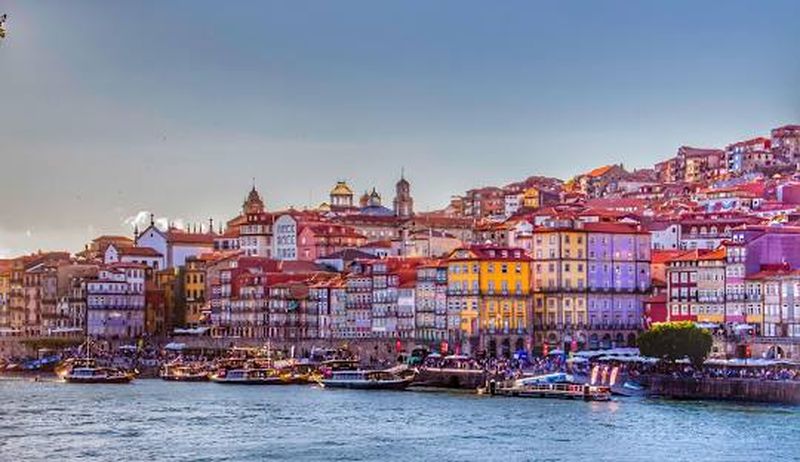
Are you interested in entrepreneurship, innovation, and social impact? Do you want to see the results of a transnational project dedicated to youth empowerment? We are looking for participants residing in Denmark to join us for the grand finale of the "Youth Crisispreneur" project in the beautiful city of Porto!
What is Youth Crisispreneur?
This project focuses on fostering entrepreneurship and employability among young people, especially those facing challenges. After months of hard work across Europe, we are gathering for a Final Event to present and explore the project’s results, share best practices, and network with international partners.
The Event: A hybrid transnational dissemination meeting where all partner organizations (from Portugal, Ukraine, Norway, and more) will showcase the impact of their work.
Project Information
Location: Vila Nova de Gaia (Porto), Portugal
Dates: July 3rd (Arrival) – July 7th (Departure), 2026.
Participants: Youth workers, young entrepreneurs, and social activists.
Pangaea Quota: 6 spots for residents in Denmark.
Who are we looking for?
We are looking for motivated individuals who:
Are interested in entrepreneurship and youth development.
Want to learn about the tools and methods developed during the "Youth Crisispreneur" project.
Live in Denmark and have a good command of English.
Are ready to participate in networking sessions and share the project results in their local community.
Costs and Logistics (Erasmus+)
Accommodation: You will be staying at the Hotel Black Tulip, an elegant 4-star hotel in Vila Nova de Gaia, just minutes away from Porto's historic center.
Food: 5 meals per day (including coffee breaks) are 100% covered by the program.
Travel: Travel costs will be reimbursed according to the Erasmus+ distance calculator bands.
Logistics: The hotel is easily accessible via the Metro (Line D) from the Francisco Sá Carneiro Airport (OPO).
How to Apply?
Don't miss the chance to be part of this international closing ceremony in one of Europe's most beautiful cities!
Check the Infopack for more details about the venue and the "Proacting" organization.
Complete the registration form at the link below.
Deadline: 2nd of May, 2026
Please be aware that there will be applied a small administrative fee of 200 dkk, which you will need to pay once you are accepted to the project.
Future Lab
Hover to discover
Future Lab
Description:
Are you a youth worker, educator, facilitator, or community practitioner based in Denmark who wants to learn more about the current trends in the Erasmus+ and Social work? Framtidstaget is bringing together youth workers across Europe to learn more about NGO development, AI/digital tools, and future skills and trends in the social work sector with their new Erasmus+ Training Course.
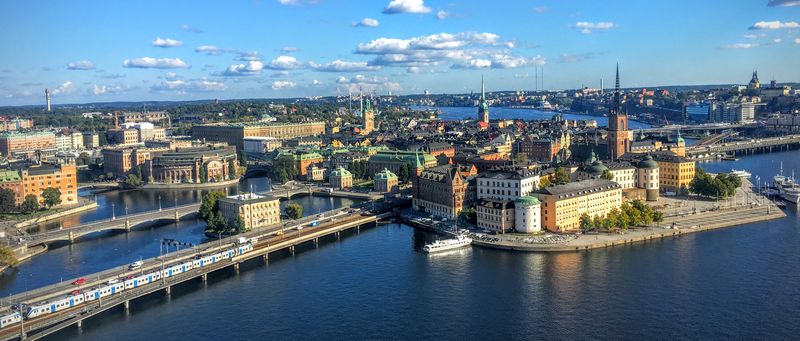
This is a great opportunity for anyone wanting to learn a new approach to international cooperation between organizations and the constant changes in the Erasmus+ network all while getting the chance to explore one of Europe’s most stylish capitals, Stockholm.
The Event:
“Future Lab” is an international Erasmus+ Training course that brings together youth workers, project managers, NGO leaders, trainers, and youth sector professionals to explore future trends, exchange innovative practices, build partnerships, and develop new Erasmus+ projects.
Project information:
Location: Instrumentvägen 20 126 53 Hägersten
Dates: 18th of July (Arrival) - 26th of July (Departure)
Participants: Youth workers, Project managers, NGO leaders, Trainers, and Youth sector professionals
Pangaea quota: 2 participants
Who are we looking for?:
We are looking for motivated individuals who:
Are interested in working on their leadership and NGO project management skills.
Want to keep up with the future trends regarding Erasmus+.
Live in Denmark and have a good command of English.
Accomodation:
Reimersholme Hotel, a former historic liquor factory turned into a trendy urban hotel on the island of... Reimersholme. Close to both the city centre and the venue, it has the perfect location for both comfort and accesibility during the training week.
Food:
3 Meals per day + snacks.
Travel:
Travel costs will be reimbursed according to the Erasmus+ distance calculator bands.
If you are travelling from Denmark via bus/train/car you can get up to 417 euro reimbursed.
Logistics:
The Arlanda Airport is 40km away from the city. The hotel is accessible directly via the Flybussarna line.
The hotel is 25 minutes away from the venue, accessible via the line 15 metro.
How to apply?
Check the Infopack for all the details about the event.
Complete the registration form at the link below.
Please be aware that there will be applied a small administrative fee of 200 dkk, which you will need to pay once you are accepted to the project.
Showing 3 of 6
JOIN THE MOVEMENT!
Be the future!
Erasmus+ is the EU's flagship program for education, training, youth, and sport. It aims to enhance personal and professional development through high-quality, inclusive education and training, as well as informal and non-formal learning. The program equips individuals with the necessary skills for active participation in democratic society, intercultural understanding, and successful transitions to the labor market. Building on its previous success, Erasmus+ strives to increase opportunities for a broader range of participants and organizations, fostering inclusive, cohesive, greener, and digitally advanced societies across Europe and beyond
Different Types of Projects in Erasmus+
Youth Exchange
5-21 days, 16-60 participants
Click to read more
Youth Exchange
5-21 days, 16-60 participants
Youth Exchanges bring together groups of young people from different countries for short-term, non-formal learning experiences. Typically lasting between 5 to 21 days, these exchanges promote intercultural dialogue and personal development through a variety of activities. Projects can include a minimum of 16 and a maximum of 60 participants, excluding group leaders.
Training Course
2 days to 2 months, no specific participant limit
Click to read more
Training Course
2 days to 2 months, no specific participant limit
Training courses aim to enhance the skills and competencies of youth workers and educators. These structured programs can last from 2 days to 2 months and involve professional development activities such as workshops and seminars. They are designed to improve the quality of youth work and foster international cooperation.
KA1 (Key Action 1)
3-24 months, requires at least 2 organizations from different countries
Click to read more
KA1 (Key Action 1)
3-24 months, requires at least 2 organizations from different countries
KA1 focuses on mobility projects for young people and youth workers, including Youth Exchanges, European Voluntary Service (EVS), and mobility of youth workers. The duration of these projects varies, typically ranging from 3 to 24 months. KA1 projects must involve at least two participating organizations (a sending and a receiving organization) from different countries.
KA2 (Key Action 2)
12-36 months, requires at least 2 organizations from different countries
Click to read more
KA2 (Key Action 2)
12-36 months, requires at least 2 organizations from different countries
KA2 supports strategic partnerships in education, training, and youth. These partnerships aim to foster cooperation and innovation between organizations and typically last between 12 and 36 months. KA2 projects require a minimum of 2 participating organizations from different countries and can include a wide range of activities such as joint initiatives, peer learning, and the exchange of best practices.
Partner countries for these projects include all EU Member States and third countries associated with the Erasmus+ program. For detailed guidelines and specific eligibility criteria, refer to the Erasmus+ Programme Guide.
Share your Erasmus+ journey
Share your Erasmus+ experience with Pangaea Youth Network!
Add your story and inspire others looking for their next opportunity.
What to Expect from the Erasmus+ Program?
Erasmus+ offers a range of opportunities for individuals and organizations involved in education, training, youth, and sport. Here’s what you can expect:
Learning Mobility: The program supports mobility projects for students, trainees, apprentices, young people, and staff. These activities aim to improve learning performance, enhance employability, increase self-empowerment, and foster intercultural awareness. Participants can expect to gain new skills, knowledge, and experiences through these exchanges and training activities.
Support and Resources: Participants and organizations can expect comprehensive support through National Agencies, SALTO Resource Centres, and various online platforms. These resources offer guidance, training, and tools to maximize the impact of their projects.
Sustainability and Eco-friendliness: The program encourages environmentally sustainable practices and projects. Participants are urged to integrate green practices and raise awareness about environmental issues.
Recognition and Validation: The program supports the recognition and validation of skills and competencies gained through non-formal and informal learning. Tools like Youthpass and Europass help document these achievements.
Funding: Erasmus+ provides financial support to cover travel, accommodation, and activity costs. Funding rules and criteria are detailed in the program guide to help applicants prepare successful proposals.
By participating in Erasmus+, individuals and organizations can expect transformative experiences that contribute to personal and professional development, foster international collaboration, and promote a sense of European identity and citizenship.